Sexual health care should be straightforward: accessible, confidential, free of judgment. Our STI programs embed these principles by integrating detection, treatment, and prevention into broader HIV and reproductive health services.
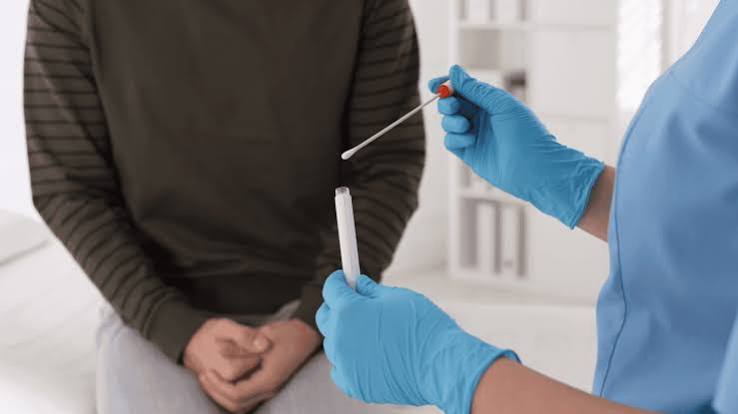
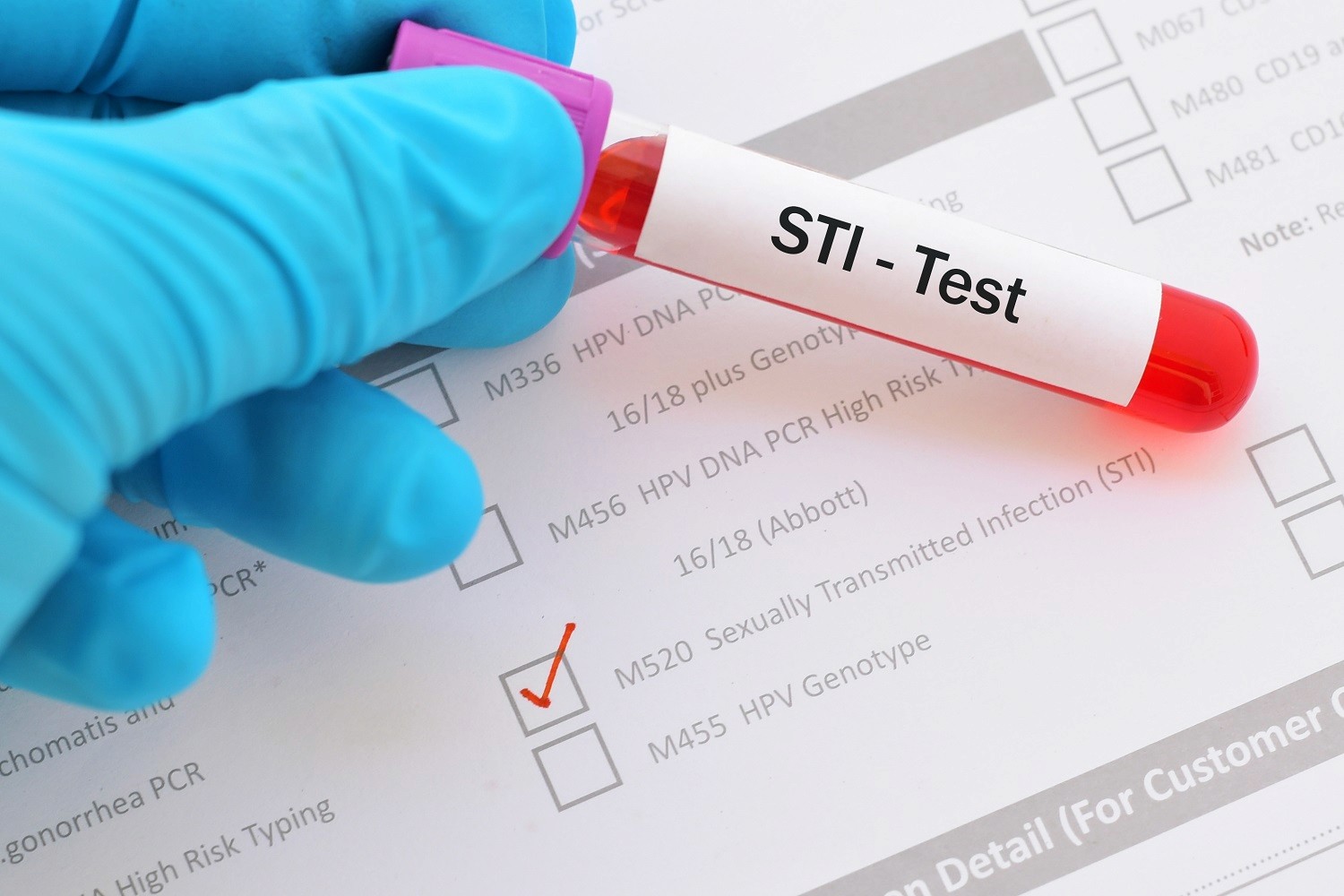
We offer routine screening, partner notification, and treatment alongside community education designed to reduce transmission and shift norms around sexual health. Our services are built to meet people where they are - adolescents, key populations, anyone navigating risk - with care that's culturally grounded and clinically sound.
Through counselling and education, we're working to dismantle the stigma and misinformation that too often keep people from seeking help.
Our work in Sexually Transmitted Infections
Sexual health care should be straightforward: accessible, confidential, free of judgment. Our STI programs embed these principles by integrating detection, treatment, and prevention into broader HIV and reproductive health services.
We offer routine screening, partner notification, and treatment alongside community education designed to reduce transmission and shift norms around sexual health. Our services are built to meet people where they are - adolescents, key populations, anyone navigating risk - with care that's culturally grounded and clinically sound.
Through counselling and education, we're working to dismantle the stigma and misinformation that too often keep people from seeking help.
Key Pillars
Key Pillars
Integrated Sexual Health Services:
STI screening and treatment embedded within HIV and reproductive health programmes.
Prevention and Risk Reduction Education:
Awareness initiatives focused on safe practices, early testing, and partner notification.
Clinical & Laboratory Research:
Implementation research, surveillance, and clinical studies to strengthen HIV care delivery and health system responses.
Advocacy & Policy Engagement:
Strengthening national and state HIV responses through technical support, digital health systems, and policy-level engagement.
Clinical & Community Support Care:
Integrated Sexual Health Services:
Integrated HIV testing, treatment, adherence support, and long-term care through clinics and community-based models.
STI screening and treatment embedded within HIV and reproductive health programmes.
Behaviour Change Communication (BCC):
Prevention and Risk Reduction Education:
Targeted awareness and prevention messaging for key populations, youth, and communities to reduce risk and stigma.
Awareness initiatives focused on safe practices, early testing, and partner notification.
Clinical & Laboratory Research:
Community Engagement and Counselling:
Implementation research, surveillance, and clinical studies to strengthen HIV care delivery and health system responses.
Confidential, stigma-free services tailored for diverse populations.
Advocacy & Policy Engagement:
Surveillance and Programmatic Learning:
Strengthening national and state HIV responses through technical support, digital health systems, and policy-level engagement.
Strengthening data systems to inform STI control strategies and service delivery.
Impact Snapshot
Impact Snapshot
Large-scale community surveillance revealing high syphilis prevalence.
Documented unique molecular epidemiology of syphilis in Indian populations with STI.
First in India to map HCV genetic diversity.
Tracked uptake, reinfection rates, and real-world treatment success across diverse communities.
30+ years of HIV leadership reaching over 400,000 individuals.
Large-scale community surveillance revealing high syphilis prevalence.
Among the first to document U=U in India through longitudinal cohort research.
Documented unique molecular epidemiology of syphilis in Indian populations with STI.
Established the cardiac protective benefits of statins for people living with HIV.
Identified high rates of triple infection (HIV-HBV-HDV) among hard-to-reach populations.
Currently strengthening HIV health systems across 634 districts in 25+ states.
Strengthened understanding of STI transmission patterns and disease burden among vulnerable populations.