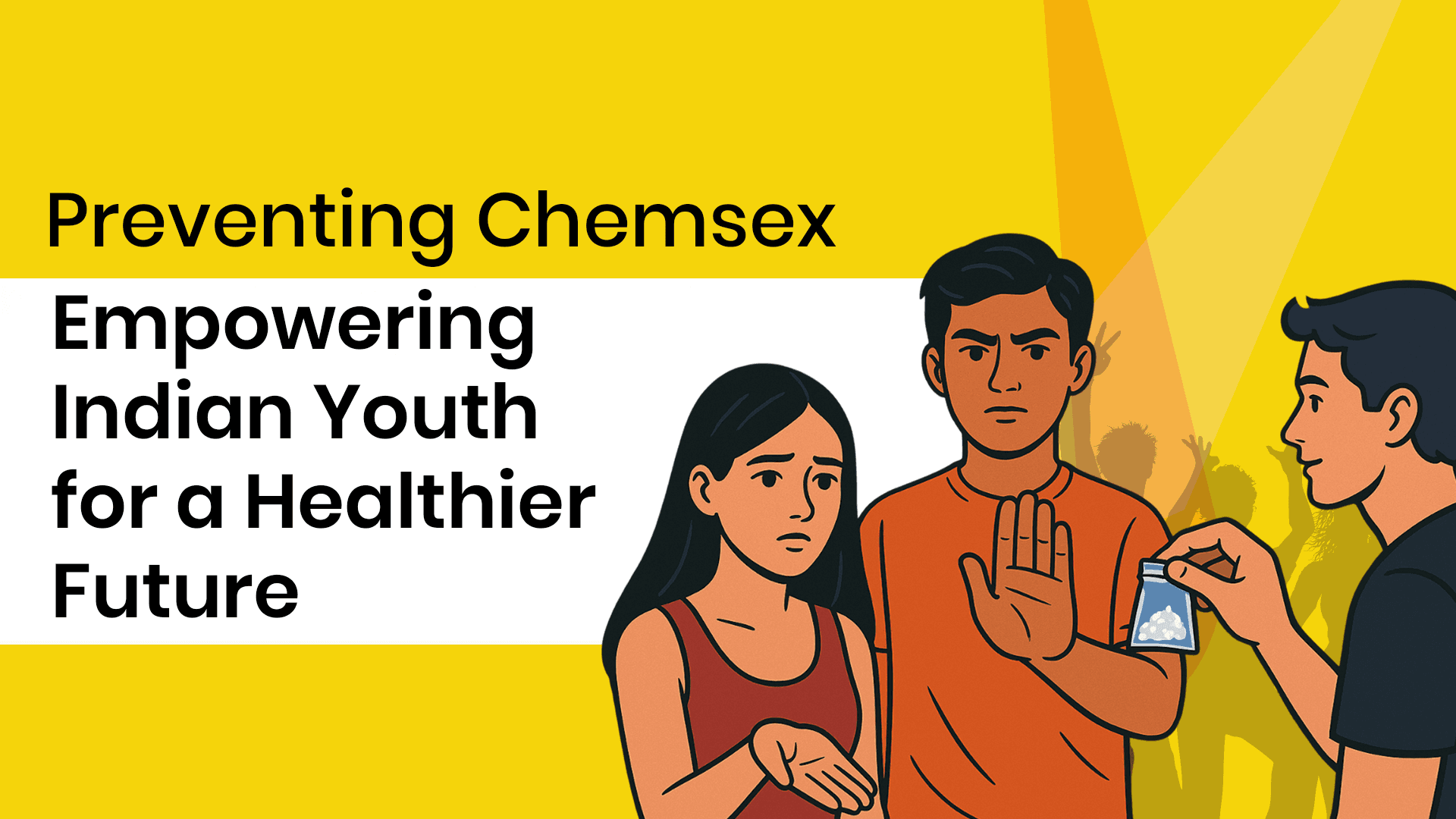
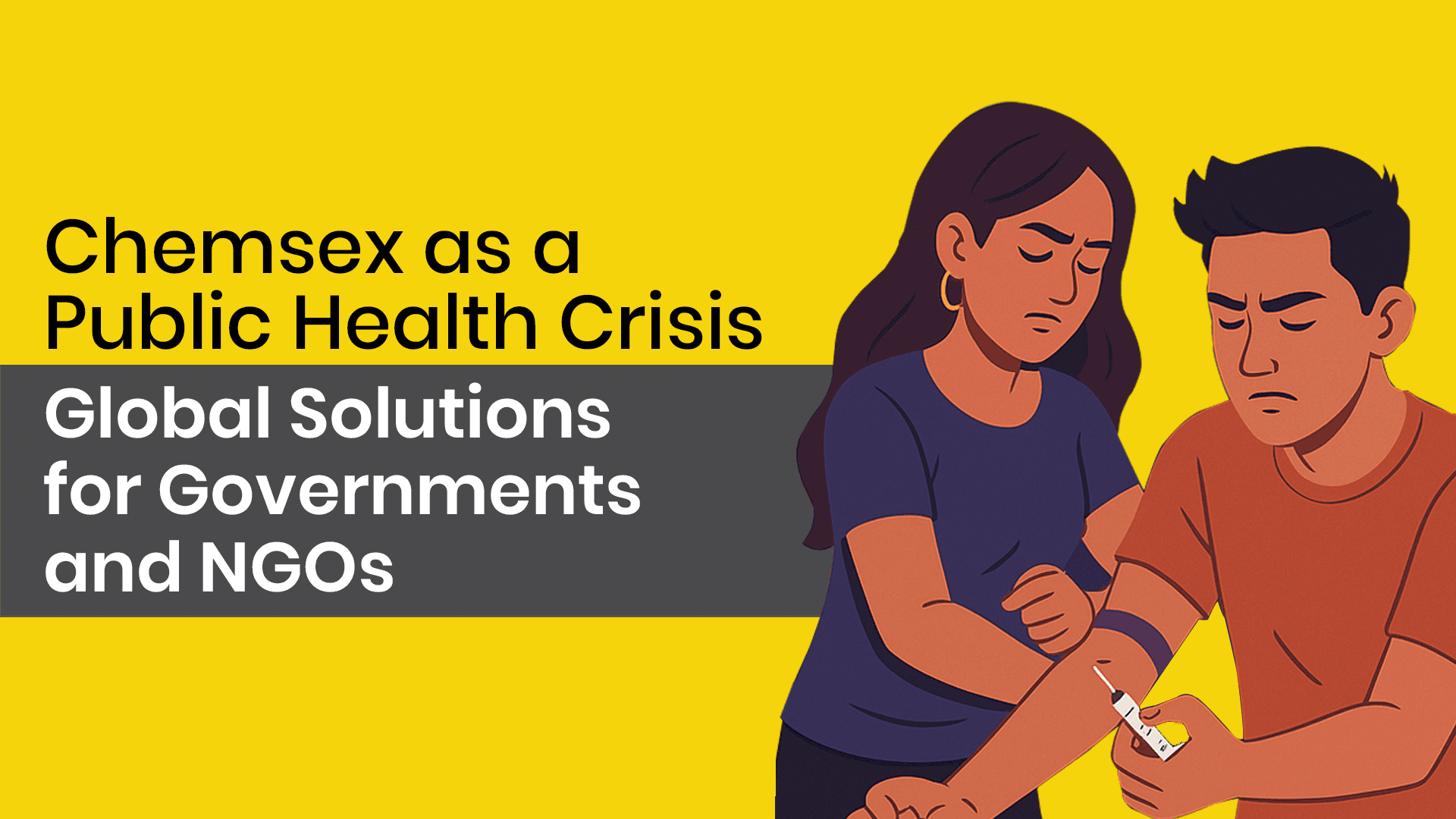
Substance use demands a public health response grounded in evidence, harm reduction, and respect for human dignity. Our programmes meet people who use drugs with services designed around their needs: opioid substitution therapy, counselling, HIV and hepatitis testing, and referrals to mental health and social support.
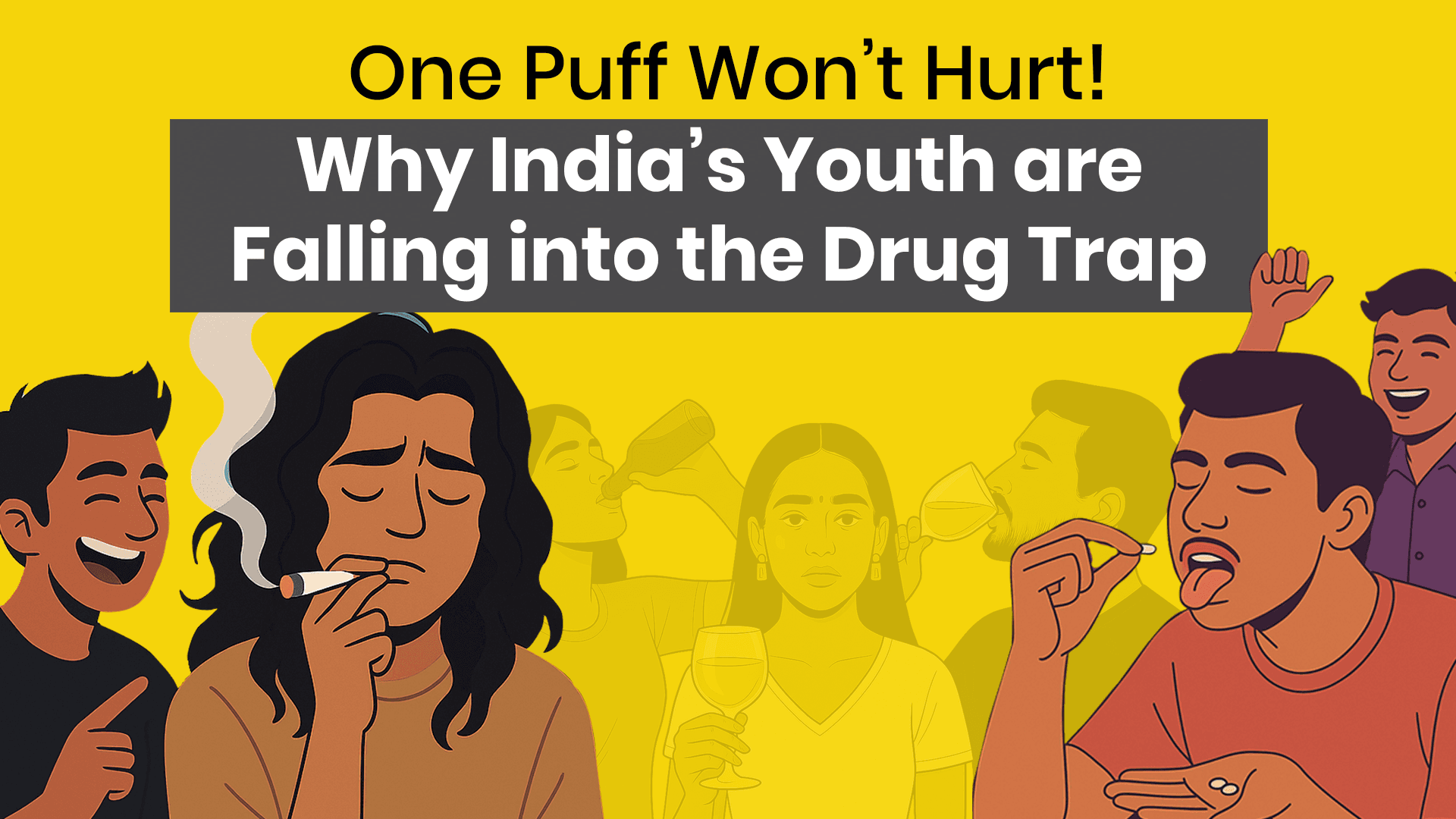
We're also confronting prevention head-on, particularly among adolescents and young adults, where substance use is increasingly normalized. Early intervention can shift trajectories, if services are accessible and stigma-free.
By integrating substance use care into broader health systems and community networks, we're building recovery pathways that support sustained well-being.
Our work in Substance Use & Harm Reduction
Substance use demands a public health response grounded in evidence, harm reduction, and respect for human dignity. Our programmes meet people who use drugs with services designed around their needs: opioid substitution therapy, counselling, HIV and hepatitis testing, and referrals to mental health and social support.
We're also confronting prevention head-on, particularly among adolescents and young adults, where substance use is increasingly normalized. Early intervention can shift trajectories, if services are accessible and stigma-free.
By integrating substance use care into broader health systems and community networks, we're building recovery pathways that support sustained well-being.
Key Pillars
Key Pillars
Harm Reduction and Treatment Services:
Opioid substitution therapy, counselling, and referral-based care.
Prevention and Early Intervention:
Awareness programmes addressing substance use among adolescents and young adults.
Clinical & Laboratory Research:
Implementation research, surveillance, and clinical studies to strengthen HIV care delivery and health system responses.
Advocacy & Policy Engagement:
Strengthening national and state HIV responses through technical support, digital health systems, and policy-level engagement.
Clinical & Community Support Care:
Harm Reduction and Treatment Services:
Integrated HIV testing, treatment, adherence support, and long-term care through clinics and community-based models.
Opioid substitution therapy, counselling, and referral-based care.
Behaviour Change Communication (BCC):
Prevention and Early Intervention:
Targeted awareness and prevention messaging for key populations, youth, and communities to reduce risk and stigma.
Awareness programmes addressing substance use among adolescents and young adults.
Clinical & Laboratory Research:
Integrated Health and Social Support:
Implementation research, surveillance, and clinical studies to strengthen HIV care delivery and health system responses.
Linkages to HIV, hepatitis, mental health, and social protection services.
Advocacy & Policy Engagement:
Community Engagement and Advocacy:
Strengthening national and state HIV responses through technical support, digital health systems, and policy-level engagement.
Reducing stigma and strengthening community-led responses to substance use.
Impact Snapshot
Impact Snapshot
Mental health assessments integrated into all implementation research
Multi-venue community engagements addressing mental health and stigma through "Break the Silence" initiative
Routine use of validated scales among participants to assess needs and enable timely linkages to care
Capacity-building sessions for frontline teams to strengthen mental health awareness, early identification, and appropriate referrals to care.
30+ years of HIV leadership reaching over 400,000 individuals.
First to document alcohol's role in HIV risk and test community popular opinion leaders as peer-led intervention.
Among the first to document U=U in India through longitudinal cohort research.
Established links between alcohol, unsafe sex, and mobile phone solicitation among migrants and sex workers.
Established the cardiac protective benefits of statins for people living with HIV.
Demonstrated motivational counselling for ART adherence among people who inject drugs and MSM.
Currently strengthening HIV health systems across 634 districts in 25+ states.
Compared same-day versus traditional ART delivery models for people who use substances.