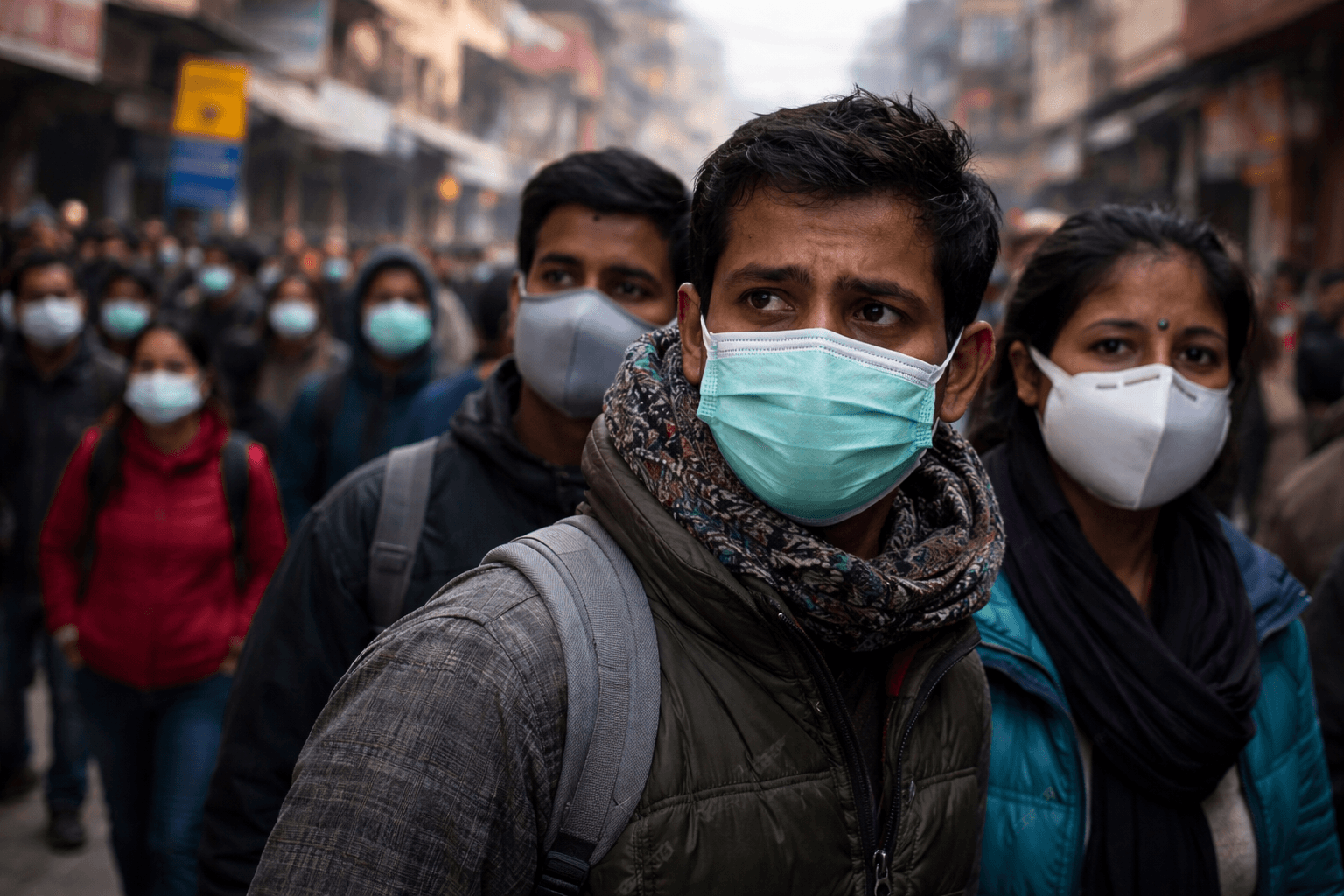
Research
Urban Resilience in the Face
of COVID-19: Tackling Stigma &
Discrimination in Mumbai
Urban Resilience in the Face
of COVID-19: Tackling Stigma &
Discrimination in Mumbai
Overview
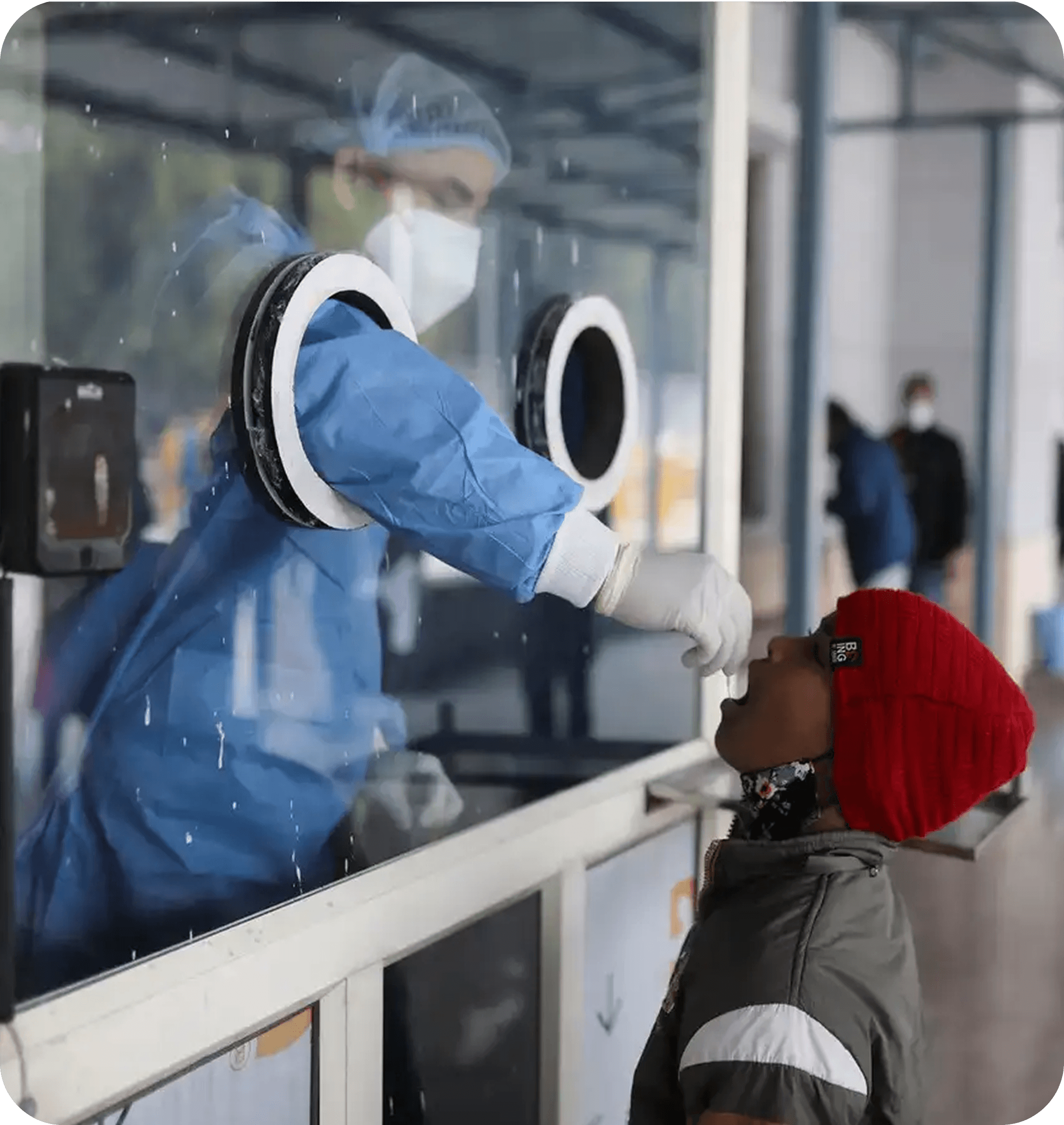
YRG MERF, in collaboration with local partner NGOs and UNICEF, conducted a mixed-methods study involving qualitative interviews and quantitative surveys with over 8,000 respondents across stakeholder categories - frontline workers, youth, women in self-help groups, community influencers, and the general public.
Overview
YRG MERF, in collaboration with local partner NGOs and UNICEF, conducted a mixed-methods study involving qualitative interviews and quantitative surveys with over 8,000 respondents across stakeholder categories - frontline workers, youth, women in self-help groups, community influencers, and the general public.
Overview
YRG MERF, in collaboration with local partner NGOs and UNICEF, conducted a mixed-methods study involving qualitative interviews and quantitative surveys with over 8,000 respondents across stakeholder categories - frontline workers, youth, women in self-help groups, community influencers, and the general public.
Objective
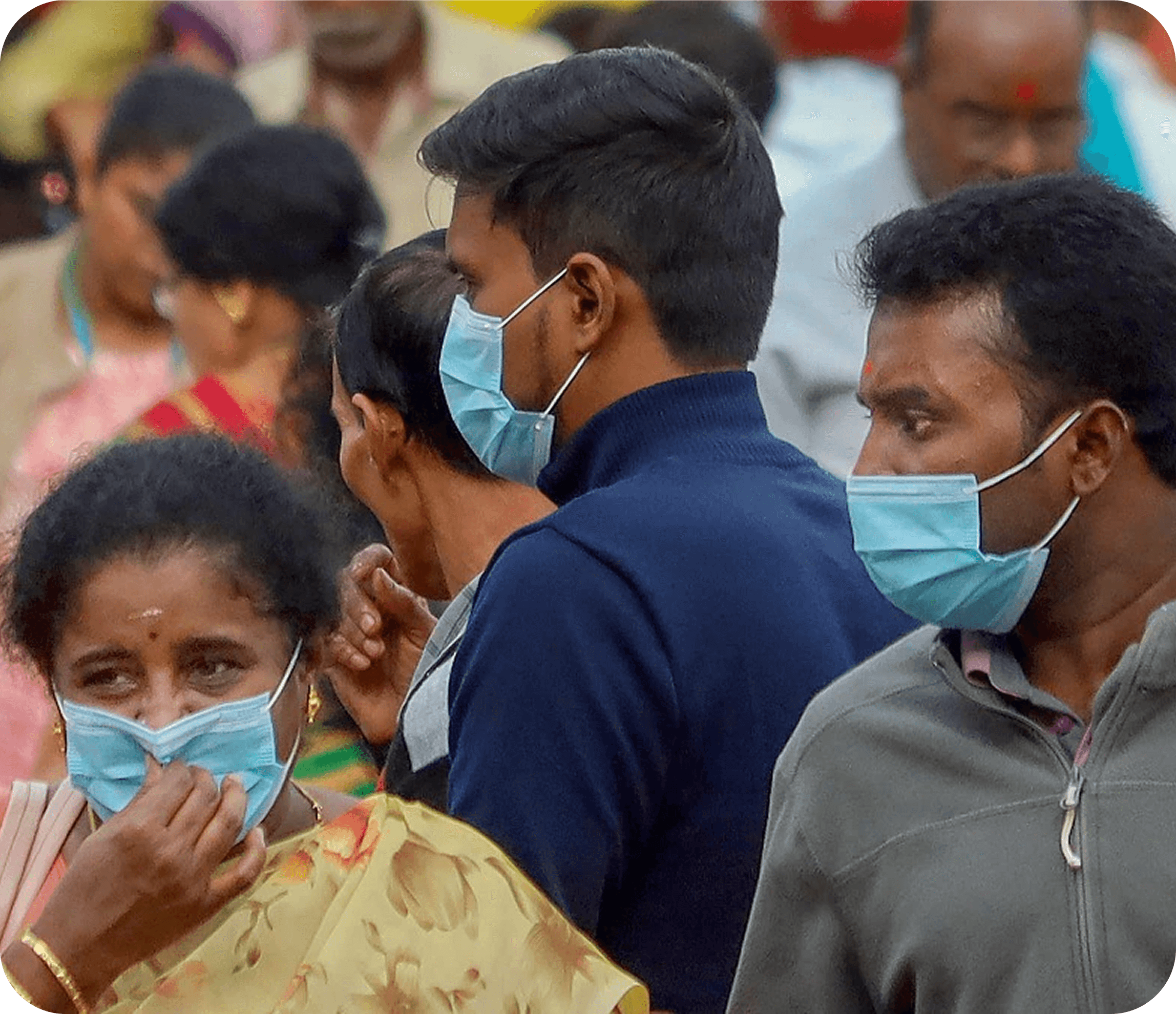
To understand and address COVID-19-related Stigma and Discrimination (S&D) in vulnerable Mumbai wards, building community solidarity.
Objective
To understand and address COVID-19-related Stigma and Discrimination (S&D) in vulnerable Mumbai wards, building community solidarity.
Objective
To understand and address COVID-19-related Stigma and Discrimination (S&D) in vulnerable Mumbai wards, building community solidarity.
Activities
Mixed-methods study with qualitative interviews and quantitative surveys of over 8,000 respondents (frontline workers, youth, women & general public).
Focus on perceptions, household stigma, and vaccination hesitancy in M/East and G/North wards.
Activities
Mixed-methods study with qualitative interviews and quantitative surveys of over 8,000 respondents (frontline workers, youth, women & general public).
Focus on perceptions, household stigma, and vaccination hesitancy in M/East and G/North wards.
Activities
Mixed-methods study with qualitative interviews and quantitative surveys of over 8,000 respondents (frontline workers, youth, women & general public).
Focus on perceptions, household stigma, and vaccination hesitancy in M/East and G/North wards.
Outputs
Outputs
“What COVID-19 patients need most from community is support and care, not discrimination” - ASHA Worker, Govandi
Findings on disproportionate FLW stigma, education-geography correlations, and high hesitancy (62.79% for child immunization)
“What COVID-19 patients need most from community is support and care, not discrimination” - ASHA Worker, Govandi
“What COVID-19 patients need most from community is support and care, not discrimination” - ASHA Worker, Govandi
Findings on disproportionate FLW stigma, education-geography correlations, and high hesitancy (62.79% for child immunization)
“What COVID-19 patients need most from community is support and care, not discrimination” - ASHA Worker, Govandi
“What COVID-19 patients need most from community is support and care, not discrimination” - ASHA Worker, Govandi
Findings on disproportionate FLW stigma, education-geography correlations, and high hesitancy (62.79% for child immunization)
“What COVID-19 patients need most from community is support and care, not discrimination” - ASHA Worker, Govandi
“What COVID-19 patients need most from community is support and care, not discrimination” - ASHA Worker, Govandi
Findings on disproportionate FLW stigma, education-geography correlations, and high hesitancy (62.79% for child immunization)
“What COVID-19 patients need most from community is support and care, not discrimination” - ASHA Worker, Govandi
“What COVID-19 patients need most from community is support and care, not discrimination” - ASHA Worker, Govandi
Findings on disproportionate FLW stigma, education-geography correlations, and high hesitancy (62.79% for child immunization)
“What COVID-19 patients need most from community is support and care, not discrimination” - ASHA Worker, Govandi
“What COVID-19 patients need most from community is support and care, not discrimination” - ASHA Worker, Govandi
Findings on disproportionate FLW stigma, education-geography correlations, and high hesitancy (62.79% for child immunization)
“What COVID-19 patients need most from community is support and care, not discrimination” - ASHA Worker, Govandi
“What COVID-19 patients need most from community is support and care, not discrimination” - ASHA Worker, Govandi
Findings on disproportionate FLW stigma, education-geography correlations, and high hesitancy (62.79% for child immunization)
“What COVID-19 patients need most from community is support and care, not discrimination” - ASHA Worker, Govandi
“What COVID-19 patients need most from community is support and care, not discrimination” - ASHA Worker, Govandi
Findings on disproportionate FLW stigma, education-geography correlations, and high hesitancy (62.79% for child immunization)
“What COVID-19 patients need most from community is support and care, not discrimination” - ASHA Worker, Govandi
Outcomes
Demonstrated stigma’s damaging effects on cohesion and health-seeking.
Recommendations for SBCC strategies, sensitization, and inclusive responses enhancing urban resilience.
Outcomes
Demonstrated stigma’s damaging effects on cohesion and health-seeking.
Recommendations for SBCC strategies, sensitization, and inclusive responses enhancing urban resilience.
Outcomes
Demonstrated stigma’s damaging effects on cohesion and health-seeking.
Recommendations for SBCC strategies, sensitization, and inclusive responses enhancing urban resilience.
Outcomes
Demonstrated stigma’s damaging effects on cohesion and health-seeking.
Recommendations for SBCC strategies, sensitization, and inclusive responses enhancing urban resilience.