Research
Laboratory Research
Laboratory Research
Diagnosis & Scientific Advancements by YRG MERF Laboratory
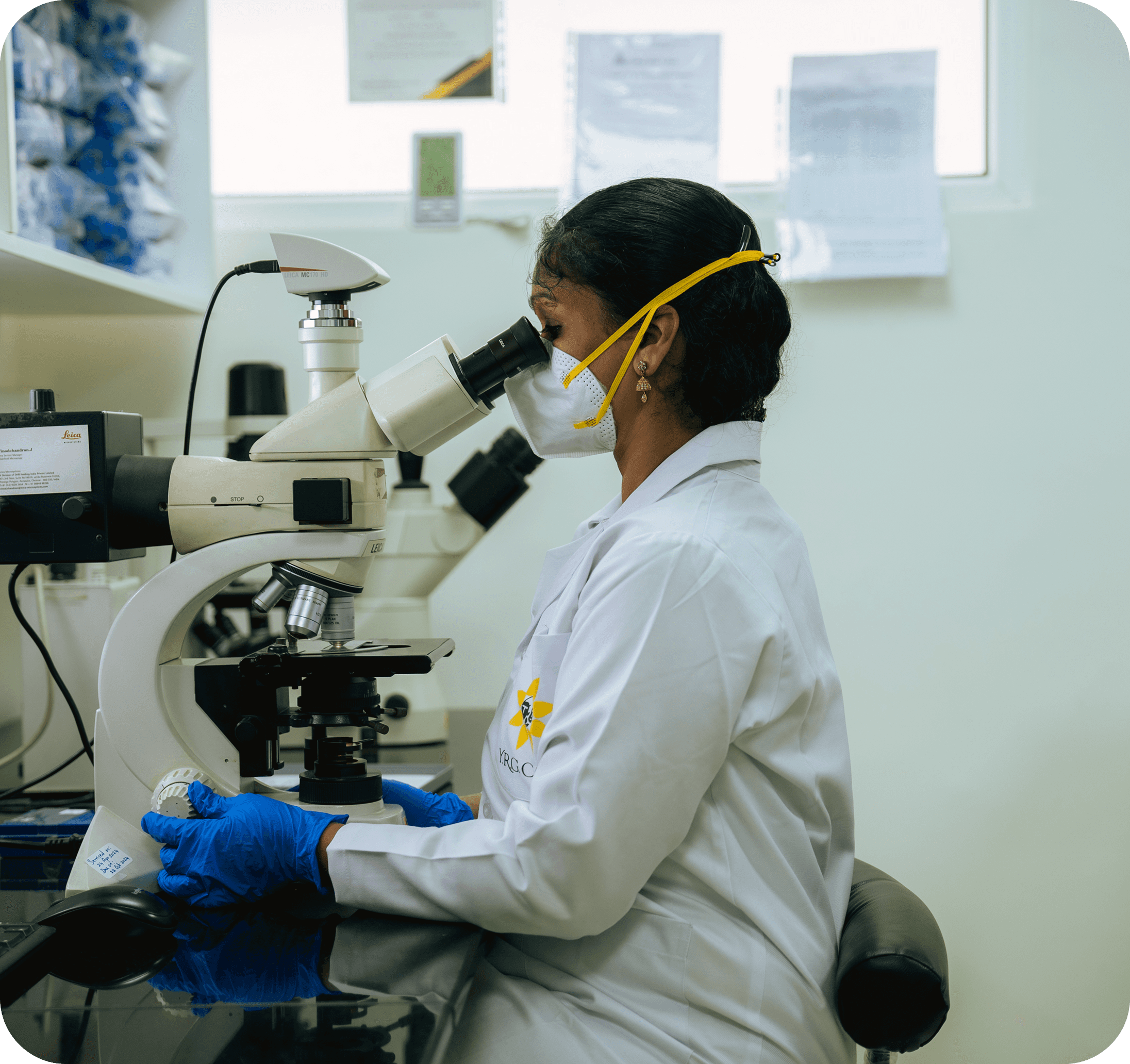
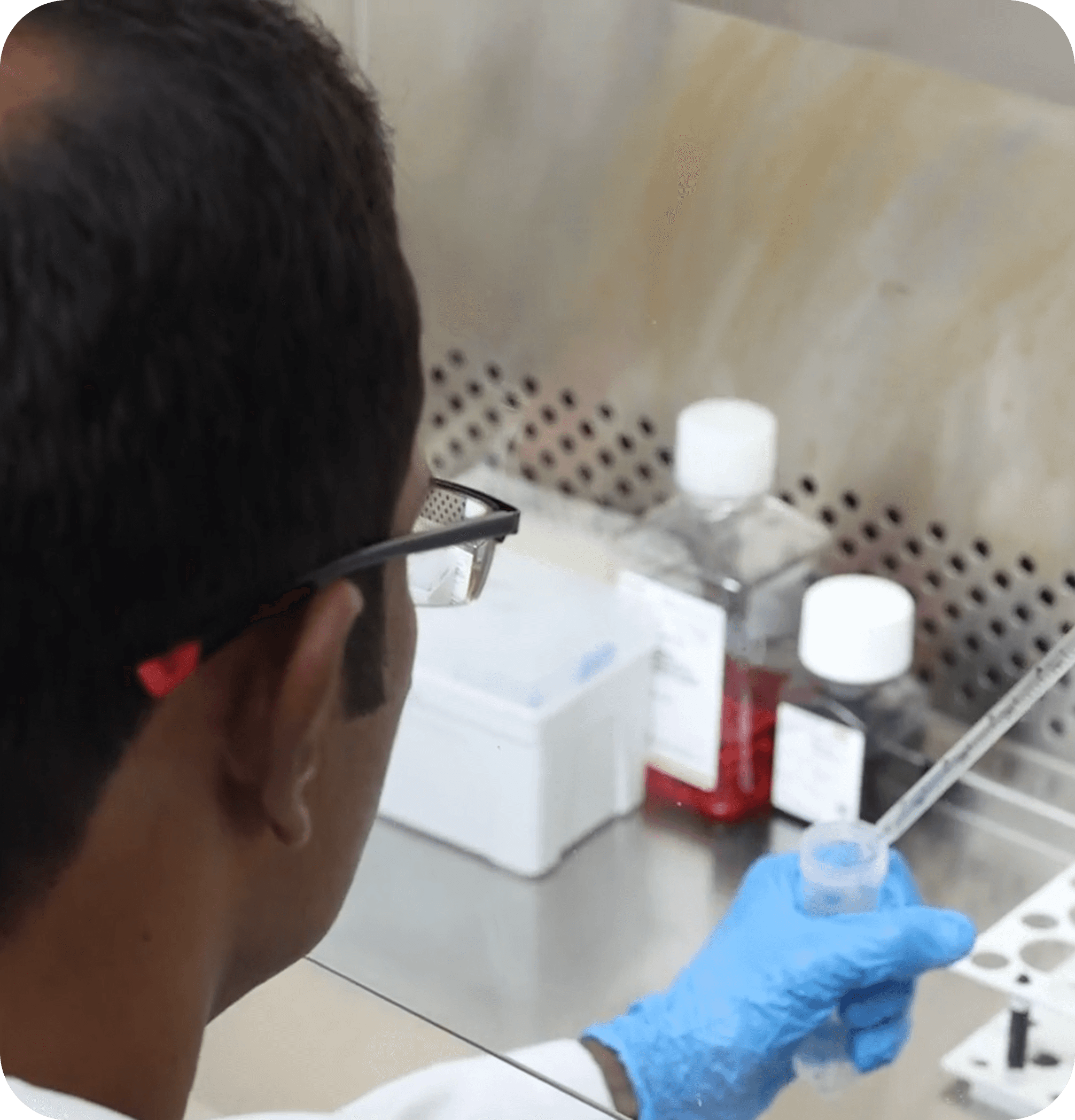
At YRG MERF, diagnostics are central to discovery, innovation, and intervention. Our advanced laboratory infrastructure combines scientific excellence with community-focused application, including cutting-edge immunology, high-throughput sequencing, and biomarker discovery. This enables breakthroughs in HIV, Viral Hepatitis, Tuberculosis, and Non-Communicable Diseases, with scientists and clinicians working together to turn lab insights into improved patient care and strong health systems for underserved communities.
Diagnosis & Scientific Advancements by YRG MERF Laboratory
At YRG MERF, diagnostics are central to discovery, innovation, and intervention. Our advanced laboratory infrastructure combines scientific excellence with community-focused application, including cutting-edge immunology, high-throughput sequencing, and biomarker discovery. This enables breakthroughs in HIV, Viral Hepatitis, Tuberculosis, and Non-Communicable Diseases, with scientists and clinicians working together to turn lab insights into improved patient care and strong health systems for underserved communities.
Diagnosis & Scientific Advancements by YRG MERF Laboratory
At YRG MERF, diagnostics are central to discovery, innovation, and intervention. Our advanced laboratory infrastructure combines scientific excellence with community-focused application, including cutting-edge immunology, high-throughput sequencing, and biomarker discovery. This enables breakthroughs in HIV, Viral Hepatitis, Tuberculosis, and Non-Communicable Diseases, with scientists and clinicians working together to turn lab insights into improved patient care and strong health systems for underserved communities.
Key Research Contribution
Key Research Contribution
HIV Immunology & Antibody Discovery
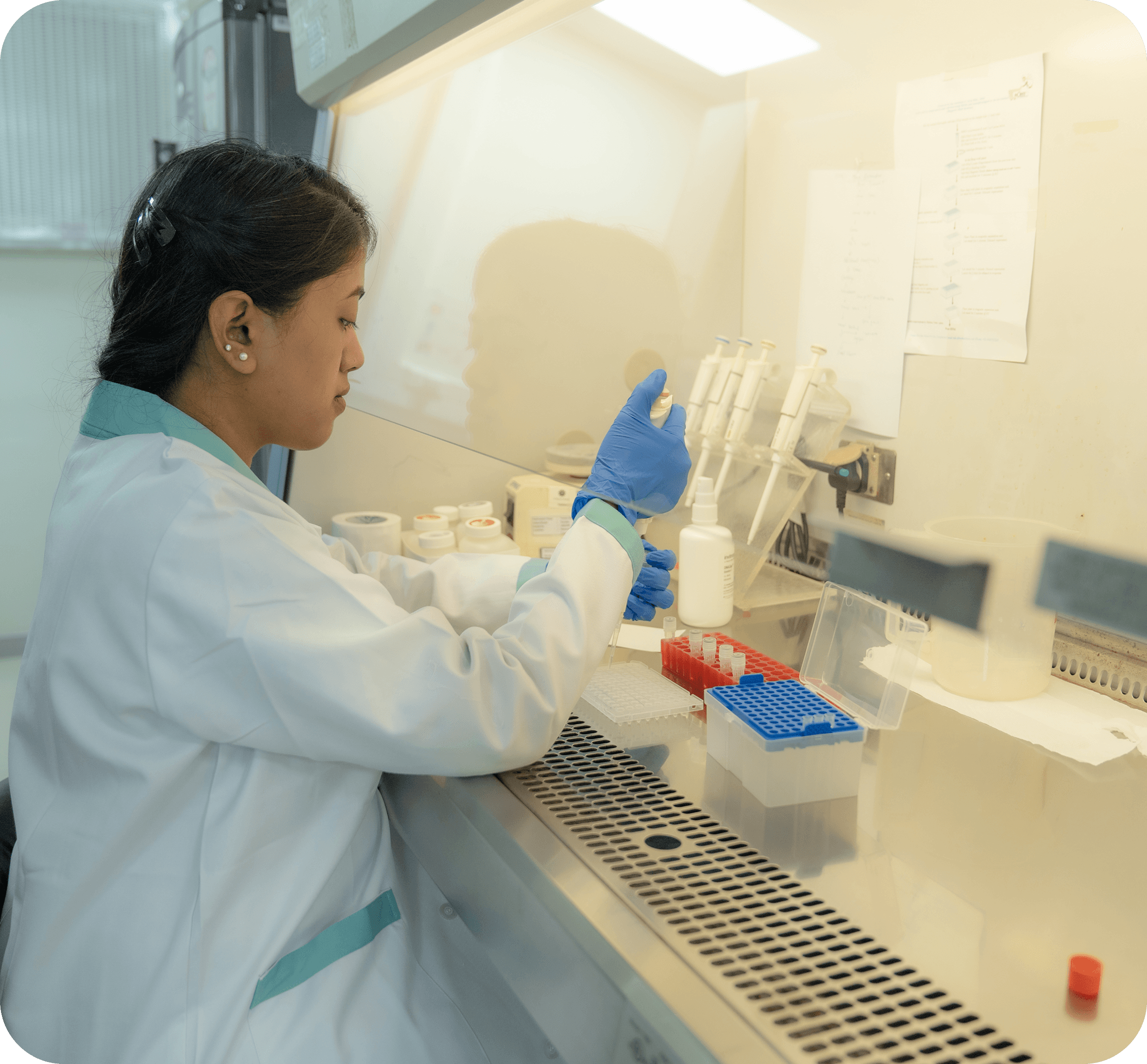
Protocol-G (bNAb Discovery): Isolated broad serum neutralising activity from Indian HIV-infected individuals, producing monoclonal antibodies that enhance the global bNAb pipeline and inform vaccine design for diverse clades.
INDO-SA Project: Mapped HIV-1 subtype C epitopes from samples in India and South Africa, progressing cross-regional vaccine antigen research and establishing biorepositories alongside immunology platforms.
Subtype C Diversity & Pseudovirus Library: Sequenced env genes from ART-naïve Indian participants to create pseudoviruses for bNAb testing, supporting ACTG and HPTN PrEP trials while highlighting regional viral diversity.
LTNP and ESN Studies: NIH and ICMR-funded cohorts of long-term non-progressors and exposed seronegatives have elucidated host protection and immune resilience, informing next-generation vaccine strategies.
HIV Immunology & Antibody Discovery
Protocol-G (bNAb Discovery): Isolated broad serum neutralising activity from Indian HIV-infected individuals, producing monoclonal antibodies that enhance the global bNAb pipeline and inform vaccine design for diverse clades.
INDO-SA Project: Mapped HIV-1 subtype C epitopes from samples in India and South Africa, progressing cross-regional vaccine antigen research and establishing biorepositories alongside immunology platforms.
Subtype C Diversity & Pseudovirus Library: Sequenced env genes from ART-naïve Indian participants to create pseudoviruses for bNAb testing, supporting ACTG and HPTN PrEP trials while highlighting regional viral diversity.
LTNP and ESN Studies: NIH and ICMR-funded cohorts of long-term non-progressors and exposed seronegatives have elucidated host protection and immune resilience, informing next-generation vaccine strategies.
HIV Immunology & Antibody Discovery
Protocol-G (bNAb Discovery): Isolated broad serum neutralising activity from Indian HIV-infected individuals, producing monoclonal antibodies that enhance the global bNAb pipeline and inform vaccine design for diverse clades.
INDO-SA Project: Mapped HIV-1 subtype C epitopes from samples in India and South Africa, progressing cross-regional vaccine antigen research and establishing biorepositories alongside immunology platforms.
Subtype C Diversity & Pseudovirus Library: Sequenced env genes from ART-naïve Indian participants to create pseudoviruses for bNAb testing, supporting ACTG and HPTN PrEP trials while highlighting regional viral diversity.
LTNP and ESN Studies: NIH and ICMR-funded cohorts of long-term non-progressors and exposed seronegatives have elucidated host protection and immune resilience, informing next-generation vaccine strategies.
Viral Hepatitis Co-infection & Vaccine Response
HBV Vaccine Response in PLHIV: Identified non-responders among HIV-positive individuals through GWAS, uncovering SNPs linked to impaired immunity to promote immunogenetic interventions.
HBV Co-infection in MSM & PWID: National multicity studies revealed higher HBV prevalence and vaccination gaps in key populations, advocating integrated HIV-HBV care and catch-up programmes.
Occult HBV Infection in HIV-Infected Adults & Pooled NAT Evaluation: Developed a pooled NAT PCR approach for detecting occult HBV in HIV cohorts, showing high specificity, moderate sensitivity, and cost-efficiency as a resource-limited alternative to viral load tests. This tool improves early detection and reduces HBV complications in high-burden settings like India.

Viral Hepatitis Co-infection & Vaccine Response
HBV Vaccine Response in PLHIV: Identified non-responders among HIV-positive individuals through GWAS, uncovering SNPs linked to impaired immunity to promote immunogenetic interventions.
HBV Co-infection in MSM & PWID: National multicity studies revealed higher HBV prevalence and vaccination gaps in key populations, advocating integrated HIV-HBV care and catch-up programmes.
Occult HBV Infection in HIV-Infected Adults & Pooled NAT Evaluation: Developed a pooled NAT PCR approach for detecting occult HBV in HIV cohorts, showing high specificity, moderate sensitivity, and cost-efficiency as a resource-limited alternative to viral load tests. This tool improves early detection and reduces HBV complications in high-burden settings like India.
Viral Hepatitis Co-infection & Vaccine Response
HBV Vaccine Response in PLHIV: Identified non-responders among HIV-positive individuals through GWAS, uncovering SNPs linked to impaired immunity to promote immunogenetic interventions.
HBV Co-infection in MSM & PWID: National multicity studies revealed higher HBV prevalence and vaccination gaps in key populations, advocating integrated HIV-HBV care and catch-up programmes.
Occult HBV Infection in HIV-Infected Adults & Pooled NAT Evaluation: Developed a pooled NAT PCR approach for detecting occult HBV in HIV cohorts, showing high specificity, moderate sensitivity, and cost-efficiency as a resource-limited alternative to viral load tests. This tool improves early detection and reduces HBV complications in high-burden settings like India.
Advances in TB Science & Innovation
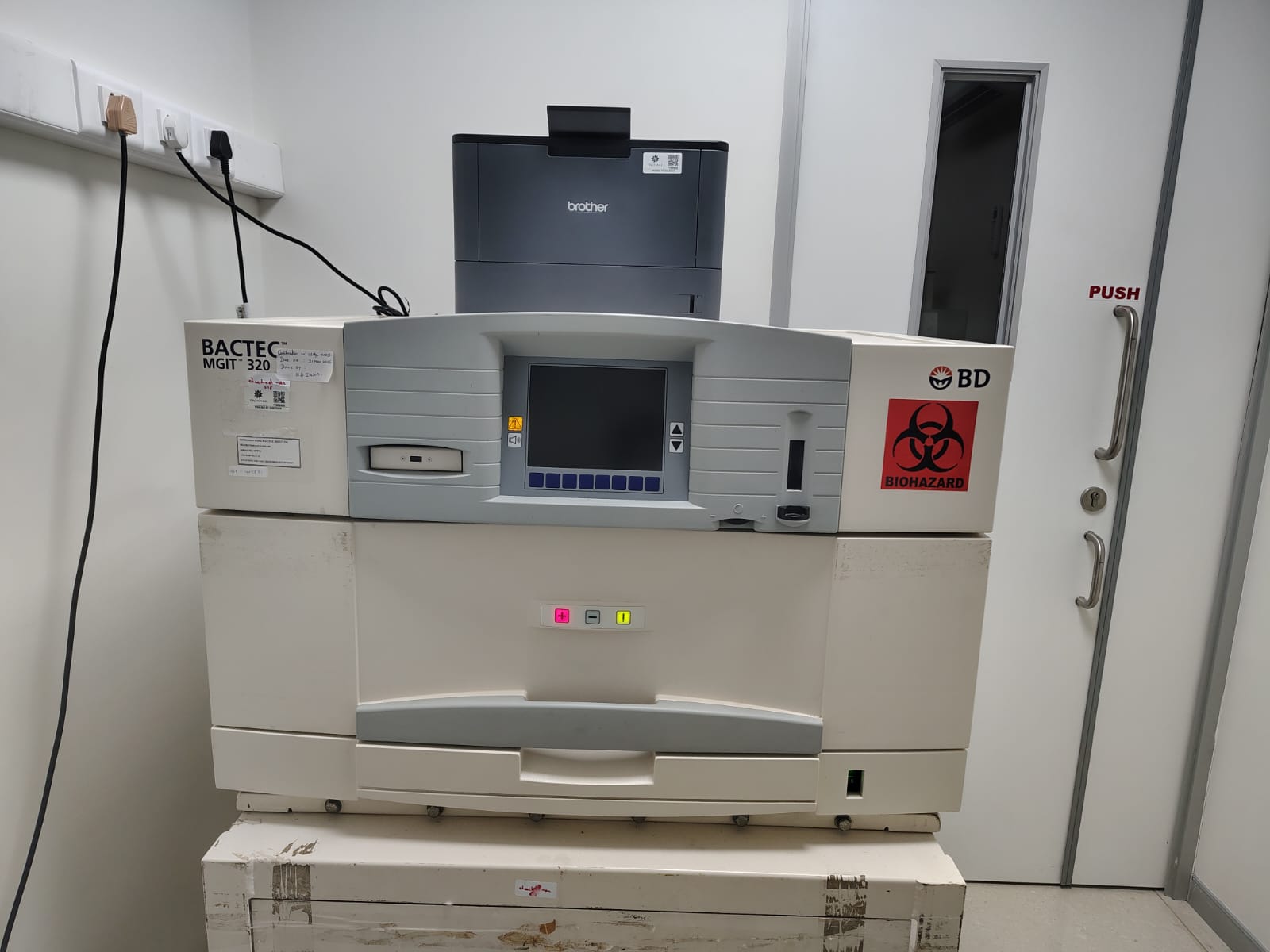
Enhancing TB Diagnostics: Developed an affordable polymer-based method to improve TB smear sensitivity, turning standard microscopy into a reliable point-of-care solution for underserved regions. Validation compared polymer capture smears with fluorescence microscopy, GeneXpert, molecular tests, and culture, confirming better detection of bacilli.
Herbal Therapeutics in TB (Eugenol Study): Established Eugenol’s synergy with standard anti - TB regimens and macrophage activation, catalysing development of herbal adjunct therapies.
T-cell Immunoprofiling in TB: Mapped immune responses across disease stages to identify prognostic markers for recurrence and post-infection immunity, guiding future vaccine and diagnostic developments.
Advances in TB Science & Innovation
Enhancing TB Diagnostics: Developed an affordable polymer-based method to improve TB smear sensitivity, turning standard microscopy into a reliable point-of-care solution for underserved regions. Validation compared polymer capture smears with fluorescence microscopy, GeneXpert, molecular tests, and culture, confirming better detection of bacilli.
Herbal Therapeutics in TB (Eugenol Study): Established Eugenol’s synergy with standard anti - TB regimens and macrophage activation, catalysing development of herbal adjunct therapies.
T-cell Immunoprofiling in TB: Mapped immune responses across disease stages to identify prognostic markers for recurrence and post-infection immunity, guiding future vaccine and diagnostic developments.
Advances in TB Science & Innovation
Enhancing TB Diagnostics: Developed an affordable polymer-based method to improve TB smear sensitivity, turning standard microscopy into a reliable point-of-care solution for underserved regions. Validation compared polymer capture smears with fluorescence microscopy, GeneXpert, molecular tests, and culture, confirming better detection of bacilli.
Herbal Therapeutics in TB (Eugenol Study): Established Eugenol’s synergy with standard anti - TB regimens and macrophage activation, catalysing development of herbal adjunct therapies.
T-cell Immunoprofiling in TB: Mapped immune responses across disease stages to identify prognostic markers for recurrence and post-infection immunity, guiding future vaccine and diagnostic developments.
Clinical Trial Contributions & Treatment Guidelines
START Trial: Furnished Level 1 evidence for early ART's benefits in health preservation and transmission prevention, directly influencing WHO's "test and treat" policy.
PEARLS (ACTG A5175): Assessed ART regimens in resource-limited settings, endorsing once-daily TDF/FTC/EFV over harmful alternatives and setting new global standards.
Mt DNA Toxicity Study: Confirmed mitochondrial DNA changes as indicators for nucleoside toxicity, enabling safer, personalised ART.
Pooling NAT PCR Strategy for HIV-1 Monitoring in LMICs: Demonstrated that pooled NAT+DR assays lower virological monitoring costs, facilitating HIV programme expansion, reducing the need for second-line therapy, and enhancing drug resistance surveillance in India.

Clinical Trial Contributions & Treatment Guidelines
START Trial: Furnished Level 1 evidence for early ART's benefits in health preservation and transmission prevention, directly influencing WHO's "test and treat" policy.
PEARLS (ACTG A5175): Assessed ART regimens in resource-limited settings, endorsing once-daily TDF/FTC/EFV over harmful alternatives and setting new global standards.
Mt DNA Toxicity Study: Confirmed mitochondrial DNA changes as indicators for nucleoside toxicity, enabling safer, personalised ART.
Pooling NAT PCR Strategy for HIV-1 Monitoring in LMICs: Demonstrated that pooled NAT+DR assays lower virological monitoring costs, facilitating HIV programme expansion, reducing the need for second-line therapy, and enhancing drug resistance surveillance in India.
Clinical Trial Contributions & Treatment Guidelines
START Trial: Furnished Level 1 evidence for early ART's benefits in health preservation and transmission prevention, directly influencing WHO's "test and treat" policy.
PEARLS (ACTG A5175): Assessed ART regimens in resource-limited settings, endorsing once-daily TDF/FTC/EFV over harmful alternatives and setting new global standards.
Mt DNA Toxicity Study: Confirmed mitochondrial DNA changes as indicators for nucleoside toxicity, enabling safer, personalised ART.
Pooling NAT PCR Strategy for HIV-1 Monitoring in LMICs: Demonstrated that pooled NAT+DR assays lower virological monitoring costs, facilitating HIV programme expansion, reducing the need for second-line therapy, and enhancing drug resistance surveillance in India.
Study of HIV-1 Drug Resistance to Dolutegravir: Sequenced protease, reverse transcriptase, and integrase genes in naïve and failure cases, revealing low major DTG resistance in subtype C and confirming its effectiveness. Results support national surveillance and evidence-based ART optimisation.
Treatment Failure and Drug Resistance in Subtype C HIV-1 on DTG-based First-Line Therapy: Monitored 150 Indian participants over 18 months, recording low failure rates and no significant integrase mutations, with minor cross-class resistances emphasising the importance of ongoing surveillance. Improved YRG MERF's genotyping capacity for continuous ART research.
Identifying Novel Protease Resistance Mechanisms in Second-Line HAART Failures: Discovered Gag cleavage site changes (e.g., V30A/T, T375 deletions) as factors driving PI resistance alongside protease mutations, amidst high NRTI/NNRTI cross-resistance. Contributes to improved second-line strategies in South India.
Virus Discovery and Sequencing at Indian Sentinel Site: Under the Abbott APDC project, processes FUO samples to identify unknown pathogens, strengthening India's readiness against emerging infections and pandemics.
NCDs in PLHIV: Redefining Care Models
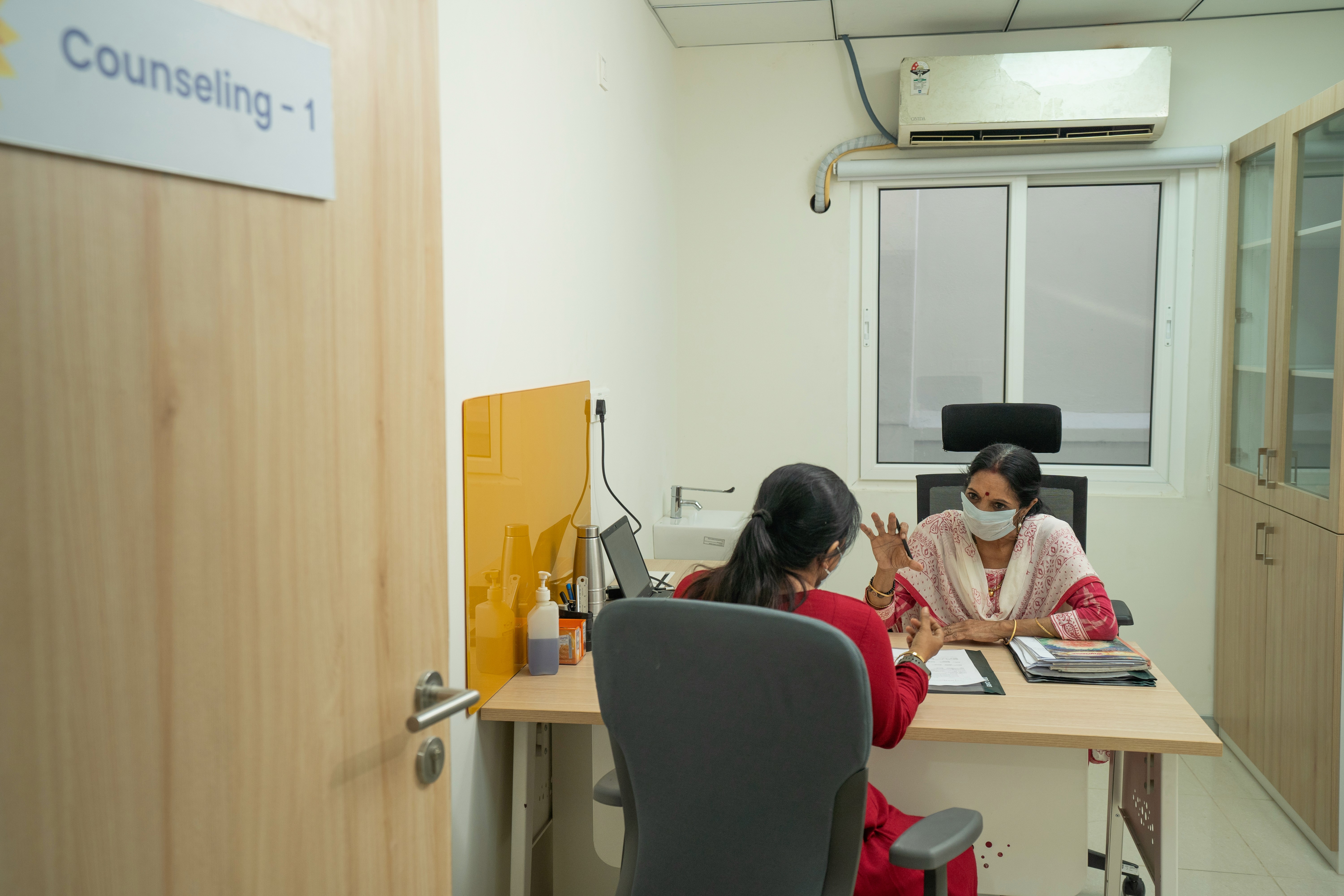
REPRIEVE (A5332): The largest CVD trial in PLHIV demonstrated that pitavastatin reduces heart disease risk by 35%, despite normal LDL levels, integrating cardiovascular prevention into HIV care frameworks.
NCDs in PLHIV: Redefining Care Models
REPRIEVE (A5332): The largest CVD trial in PLHIV demonstrated that pitavastatin reduces heart disease risk by 35%, despite normal LDL levels, integrating cardiovascular prevention into HIV care frameworks.
NCDs in PLHIV: Redefining Care Models
REPRIEVE (A5332): The largest CVD trial in PLHIV demonstrated that pitavastatin reduces heart disease risk by 35%, despite normal LDL levels, integrating cardiovascular prevention into HIV care frameworks.
Sex-Based & Drug-Specific Risk Insights
Gender & Nevirapine-Linked Hepatotoxicity: Showed increased liver toxicity risk in women taking Nevirapine, leading to gender-specific monitoring and emphasising the role of pharmacogenetics in ART.
Sex-Based & Drug-Specific Risk Insights
Gender & Nevirapine-Linked Hepatotoxicity: Showed increased liver toxicity risk in women taking Nevirapine, leading to gender-specific monitoring and emphasising the role of pharmacogenetics in ART.
Sex-Based & Drug-Specific Risk Insights
Gender & Nevirapine-Linked Hepatotoxicity: Showed increased liver toxicity risk in women taking Nevirapine, leading to gender-specific monitoring and emphasising the role of pharmacogenetics in ART.
Science that Serves. Innovation that Heals.
Science that Serves.
Innovation that Heals.
Science that Serves.
Innovation that Heals.
From elucidating immune safeguards in HIV-exposed sero negatives to democratizing low-cost TB diagnostics,
YRG MERF's laboratory combines science with service. Each advancement reflects our commitment: transform data into dignity, innovation into intervention. Join us to pioneer diagnostics, improve therapies, and uphold hope.
From elucidating immune safeguards in HIV-exposed sero negatives to democratizing low-cost TB diagnostics,
YRG MERF's laboratory combines science with service. Each advancement reflects our commitment: transform data into dignity, innovation into intervention. Join us to pioneer diagnostics, improve therapies, and uphold hope.